
Do Granite Sinks Stain Easily?
The short answer is no, but if left unattended, they may stain. Granite composite sinks are more resilient than ceramic or natural stone because they are less porous. Long-term exposure to some substances, however, can leave noticeable stains, particularly on models with light colors.
-
Dark sinks (black, grey, anthracite): more prone to white limescale buildup from hard water.
-
Light sinks (white, beige, cream): more prone to pigment stains from food and drinks.
Common Staining Agents in Granite Sinks
Here are the most frequent culprits homeowners in Europe encounter:
-
Coffee & Red Wine
-
Contain natural tannins, which act like dyes.
-
Light sinks may show gradual brownish or gray discoloration.
-
Dark sinks rarely reveal these stains.
-
Curry & Tomato Sauces
-
Curry contains turmeric (curcumin), a powerful yellow pigment.
-
Tomato sauce contains lycopene, a reddish pigment.
-
Both can bond with the resin if left unwashed.
-
Pesto & Oily Foods
-
Pesto combines green chlorophyll pigment with olive oil.
-
Oil creates a greasy film that attracts dirt and dulls the finish.
-
Affects both dark and light granite sinks.
-
Berries & Beetroot
-
Blueberries, raspberries, and beet juice leave deep-colored stains on light surfaces.
-
Hard Water & Iron Deposits
-
Calcium and magnesium create chalky limescale on dark sinks.
-
Iron-rich water may cause reddish “rust-like” marks.



The Golden Rules to Prevent Stains on Granite Sinks
-
Rinse Immediately
After preparing coffee, wine, or colorful dishes, rinse the sink thoroughly. Quick action prevents pigments from settling. -
Dry After Use
Wiping with a soft cloth prevents water spots and limescale buildup. -
Use Gentle Cleaners
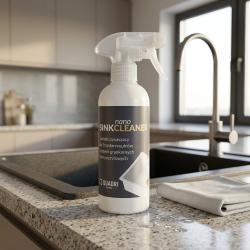
Stick to mild dish soap or pH-neutral cleaners. Harsh chemicals (bleach, ammonia, drain cleaners) can damage the resin and alter the color. -
Avoid Abrasives
Steel wool, rough powders, and hard scouring pads scratch the finish and create places where dirt can collect. -
Handle Oils Carefully
Oil-based foods like pesto should be rinsed immediately. A simple dish soap solution breaks down oily residues effectively.


What to Do If a Stain Appears
Even with good care, occasional stains may happen. Here’s how to treat them safely:
-
For Limescale: Use a vinegar-water solution (rinse well afterward).
-
For Food Pigments: A paste of baking soda and water, applied gently with a soft cloth, often lifts stains.
-
For Oil Films: Use warm water with mild dish soap to break down grease.
Avoid bleach or oven cleaners, as these can permanently damage the surface.


The Long-Term Benefits of Proper Granite Sink Care
Preventing stains is not just about aesthetics, it also extends the life and hygiene of your sink. A well-maintained granite composite sink:
-
Retains its deep matte or glossy finish.
-
Resists discoloration even after years of use.
Maintains a hygienic, low-porosity surface that discourages bacteria growth.
Granite sinks are durable and stylish investments, but upkeep is essential. You can keep your sink looking as good as the day it was installed by avoiding harsh chemicals, wiping dry to avoid limescale, and quickly rinsing food pigments.


